Ecohydrology Youth Network
Youth is a priority group for UNESCO Intergovernmental Hydrological Programme (IHP) which appreciates young scientists, activists and professionals as knowledge holders, change-makers and leaders that contribute to addressing water security. In this framework, the Capacity Development and Water Family Coordination Section of the UNESCO-IHP has launched the Ecohydrology Youth Network (EHYN).
About Ecohydrology Youth Network (EHYN)
EHYN is a youth-led network focused on fostering global youth engagement in Ecohydrology and Nature-based Solutions. Our mission is to facilitate youth involvement in UNESCO’s Ecohydrology-related initiatives and contribute to the objectives outlined in the UNESCO-IHP-IX Strategic Plan “Science for a Water Secure World in a Changing Environment”.
Initiated by UNESCO-IHP in 2018, the Ecohydrology Emerging Professional Global Network (EPGN) aimed to actively engage young professionals in the field of Ecohydrology. In 2024, UNESCO reintroduced and expanded this initiative as EHYN to further broaden youth participation and support in Ecohydrology development.
EHYN development was supported by the Erasmus Mundus Programme Master in Applied Ecohydrology and collaboration between European Regional Centre for Ecohydrology of the Polish Academy of Sciences (UNESCO Category II Centre), UNESCO Chair on Ecohydrology and Applied Ecology, University of Lodz and UNESCO Chair in Ecohydrology: Water for Ecosystems and Societies, University of Algarve.
What is Ecohydrology?
Ecohydrology is a transdisciplinary science that provides framework for the systemic solutions integrating Nature-based Solutions in the catchment scales. It deepens the knowledge of abiotic-biotic interactions at different levels to provide more sustainable water management, that use ecosystem processes as the management tools. Ecohydrology concept evolved under UNESCO IHP starting from 1996 (Zalewski et al., 1997).
EHYN Action Plan
- Facilitate networking among youth leaders and professionals engaged in ecohydrology to foster exchange of ideas and information relevant to the field.
- Establish a collaborative platform for youth engagement in Ecohydrology, in partnership with UNESCO.
- Create opportunities to nurture and advance the development of future ecohydrologists.
- Enhance understanding and awareness of the significance of ecohydrology in sustainable water management practices.
- Advocate for the incorporation of ecohydrology principles into water management policies at local, regional, and international levels.
EHYN Objectives
- Create an inclusive and diverse global network comprising youth leaders and professionals involved in ecohydrology
- Provide a communication platform for youth to share information regarding cutting-edge research, practical applications of ecohydrology, and academic and career prospects.
- Promote the advancement of youth leadership and professional skills through networking events and training programs.
Who can be a part of the network?
- current students
- recent graduates
- postdoctoral researchers
- early career professionals
- aged between 18 and 35
How can I benefit from being a member of EHYN?
- access to the online lectures and webinars on ecohydrology
- access to the EHYN newsletter
- early information about job, PhD and internship opportunities
- updates on recent research
- information on conferences and symposiums, including discounts
- professional development
- networking and collaboration opportunities
How can I engage myself?
- be the local or regional leader
- involve into development of professional reports
- organize events to disseminate ecohydrology
- participate in the scientific collaboration
- join one of the EHYN committees
- coordinate our projects and facilitate cooperation
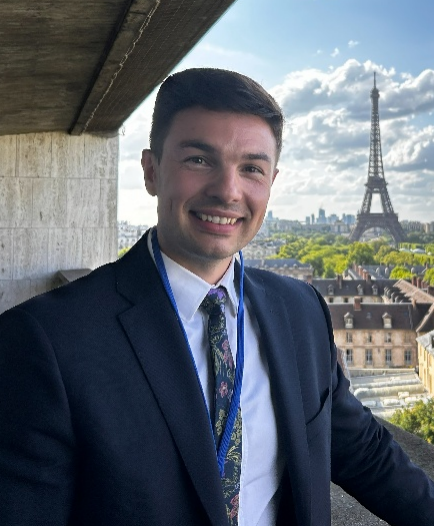
Paweł Jarosiewicz, PhD, is an Assistant Professor at the European Regional Centre for Ecohydrology of the Polish Academy of Sciences and at the UNESCO Chair on Ecohydrology and Applied Ecology at the University of Łódź. He serves as Assistant Editor of the journal Ecohydrology & Hydrobiology and as President of the Ecohydrology Youth Network (EHYN).
His research focuses on advancing and implementing Nature-based Solutions within the ecohydrology framework to enhance the resilience of river catchments and mitigate pollution and hydrological extremes.
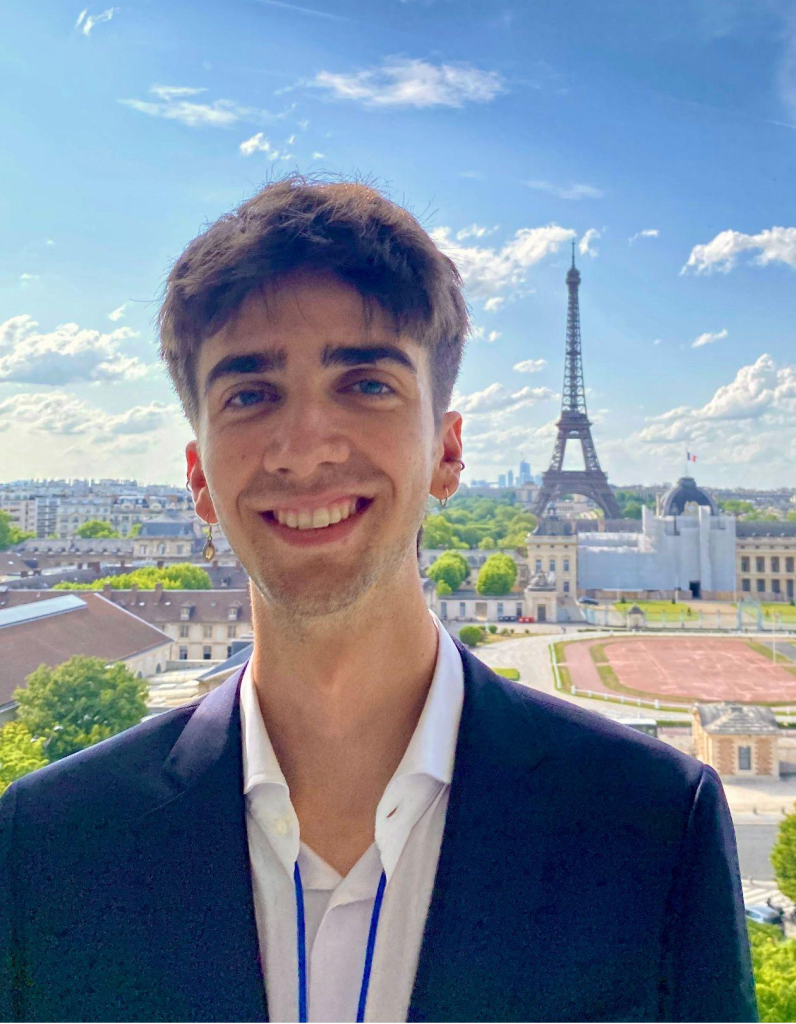
Paul Maumet is a French master’s student in Applied Ecohydrology (MAEH Erasmus Mundus) with a background in Narrative Design, passionate about connecting scientific knowledge, storytelling, and youth engagement to strengthen water governance. His interests span ecohydrology from the microbial scale to the ecosystem scale, with a focus on bringing science into public policy and making complex water issues accessible through meaningful communication. As Coordinator of the Communication and Outreach Committee of EHYN, Paul enhances the network’s visibility, and works to empower youth voices.
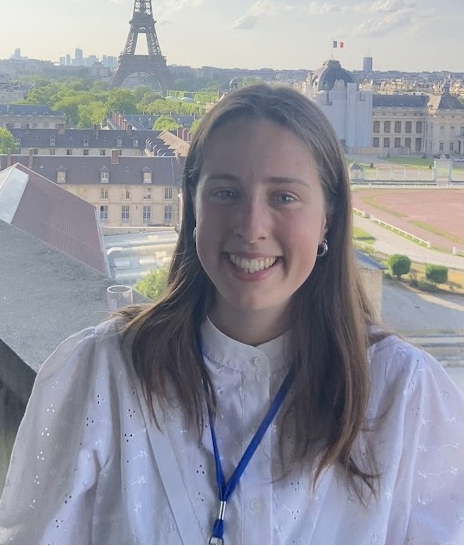
Sophie Mulligan is currently studying for the MSc in Applied Ecohydrology. From a Franco-British background and a Bachelor’s degree in Environmental Science, Sophie holds the position of European Regional Leader in EHYN. She enjoys learning about all sorts of water issues, especially those in estuarine and marine environments, with the focus on human impact. With her position on EHYN, Sophie hopes to be able to share the ideas of Ecohydrology to students and young professionals for a greener and bluer future.
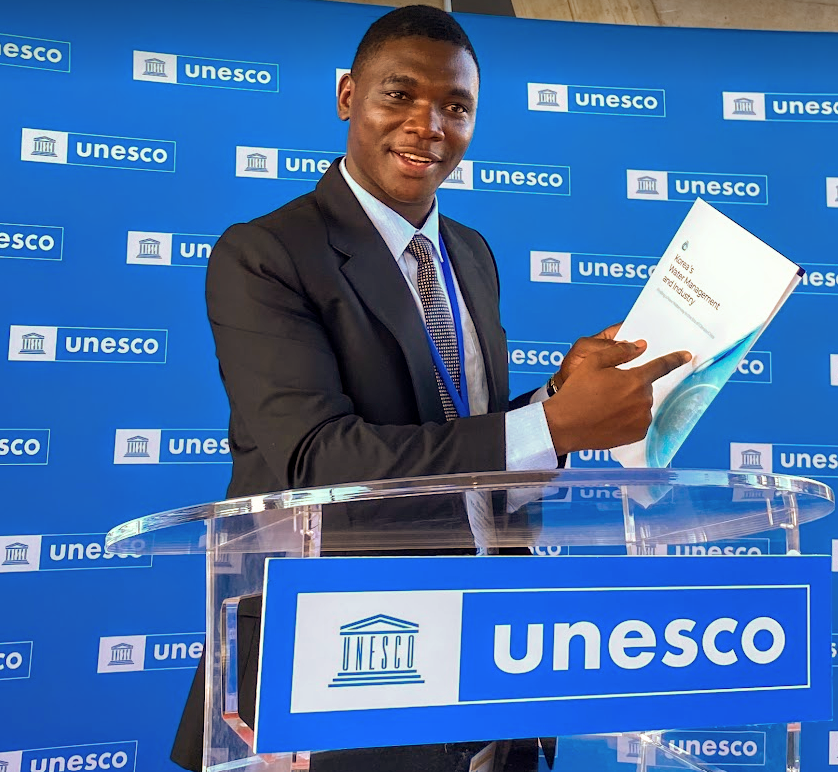
Antidius Raphael is the EHYN Regional Leader for Africa. He holds MSc Applied Ecohydrology (Erasmus Mundus), MSc. Environmental and Natural Resource Economics, and BSc Environmental Sciences and Management (Tanzania). He was promoting Ecohydrology in Tanzania by supporting the UNESCO Chair on Ecohydrology and Transboundary Water Management. Antidius is currently working as the Ecohydrologist at the African Wildlife Foundation in Tanzania where he has led the development of the Nature-based Solutions Strategy. He has published original research papers on ecohydrology. In his capacity as the Africa regional leader, Antidius is committed to collaborate with water stakeholders in the region to promote ecohydrology among youth while leaving no one behind.
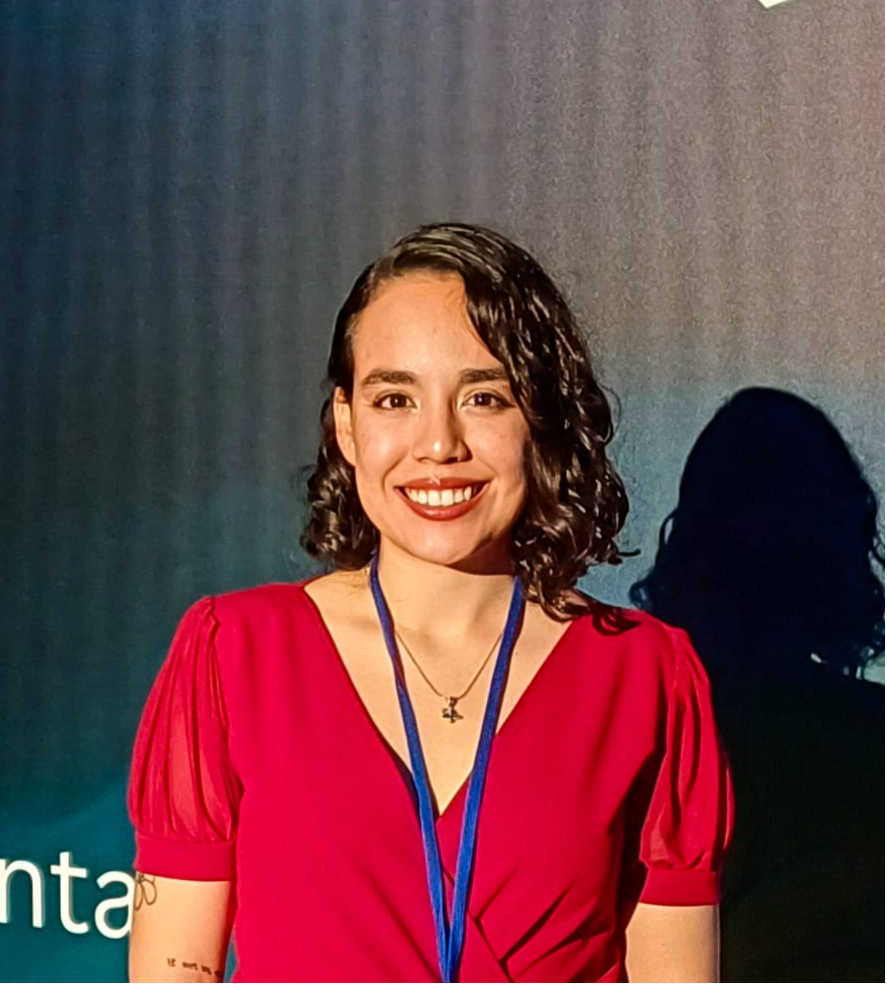
Nicole Rivera is a Bolivian environmental engineer and Erasmus Mundus student in Applied Ecohydrology (MAEH). She currently serves as the National Coordinator of the Ecohydrology Youth Network (EHYN) for Bolivia, where she works to strengthen youth participation in ecohydrology and represent perspectives from the Global South. Nicole has participated in the 1st UNESCO Water Youth Dialogue and spoke at the Water Family Panel during the 50th Anniversary of the Intergovernmental Hydrological Programme (IHP), contributing insights on water justice and community-centered water governance. Through her role at EHYN, she aims to amplify the voices of young people from regions facing acute water challenges and promote inclusive, science-informed solutions for a more sustainable future.
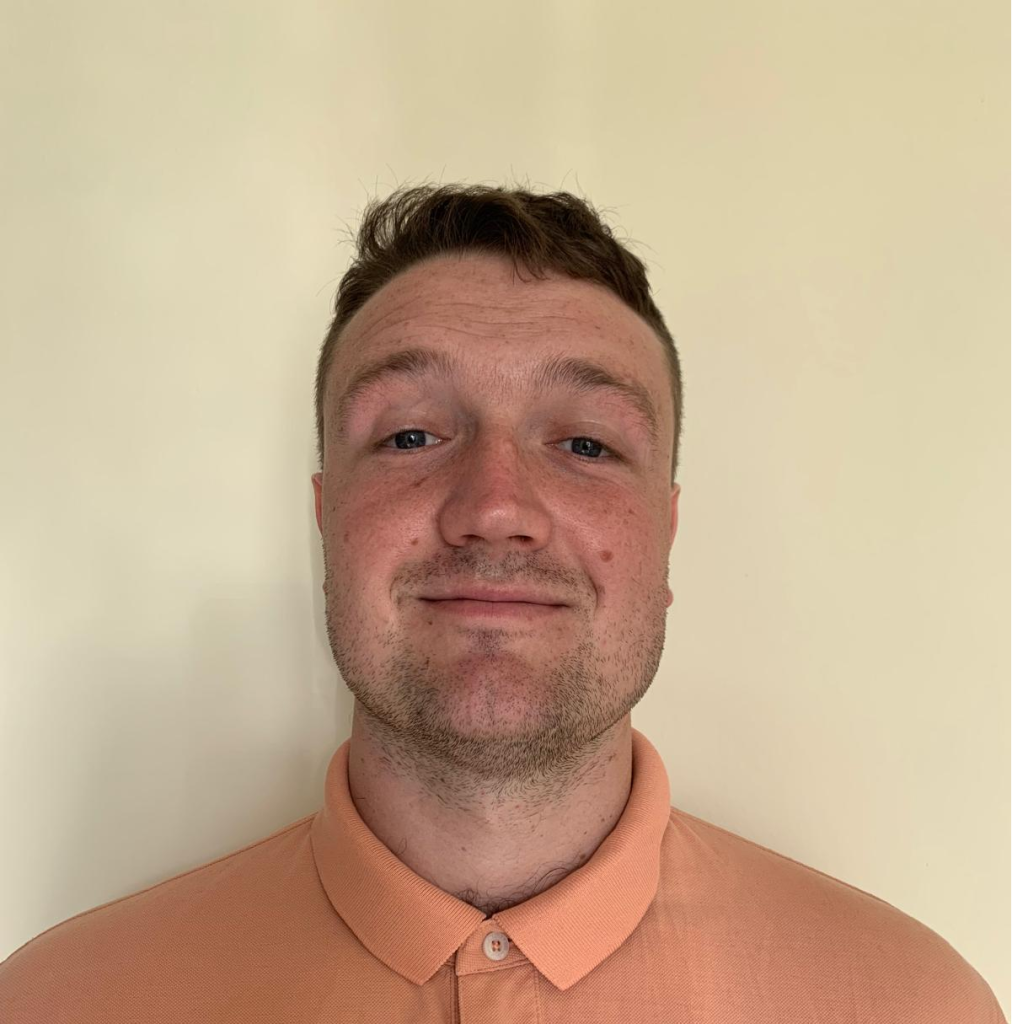
Oscar Wyndham is an environmental engineer from Australia currently studying a Master’s in Applied Ecohydrology (MAEH). With experience in floodplain management in local government, he worked within a progressive council where coastal, floodplain, ecology, development, stormwater, and community teams collaborated closely, highlighting the value of interdisciplinary and community-centred water management. His interests span integrated catchment processes, nature-based solutions, and connecting technical knowledge with practical outcomes for resilient communities. As the Australian National Coordinator for the Ecohydrology Youth Network, Oscar aims to strengthen exchanges between young professionals in Australia and abroad, fostering the shared growth of ecohydrology and holistic water management practices.
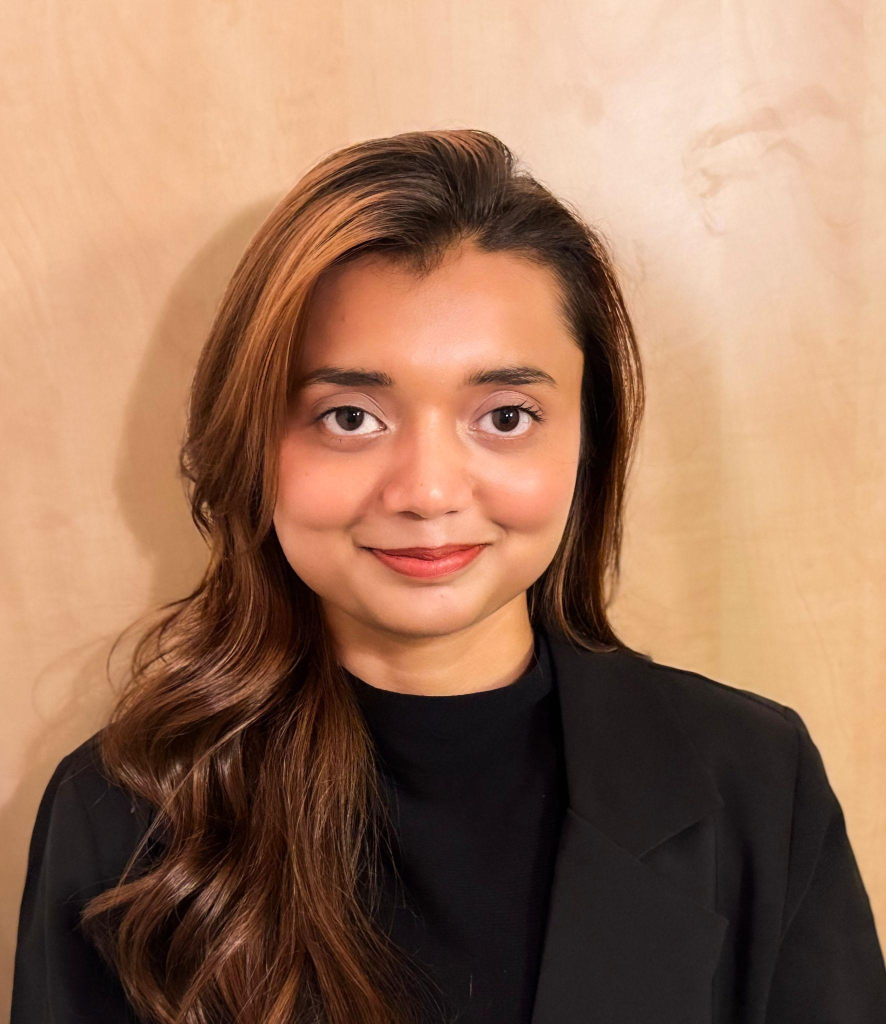
Anzal Fatima is an Analytical Chemist from Pakistan, currently pursuing her master’s in Applied Ecohydrology. She is passionate about turning water science into practical solutions, with a research focus on water quality, wastewater remediation, and ecosystem restoration. As Vice Regional Leader for Asia and Leader of the Scientific Committee in the Ecohydrology Youth Network, she works to share knowledge and make ecohydrology accessible and actionable.
Mikołaj Matela is a PhD student and Research/Teaching Assistant at the Department of Hydrobiology (Kazimierz Wielki University) in Poland. Mikołaj holds the position of European Regional Vice-Leader in EHYN. He focuses his research on: the functioning of aquatic ecosystems, the impact of catchment areas, ecosystem services, ecohydrological biotechnologies, and green-blue infrastructure. He intends to focus his role at EHYN on developing joint international research in ecohydrology among young scientists and promoting ecohydrological ideas among students and the general public.
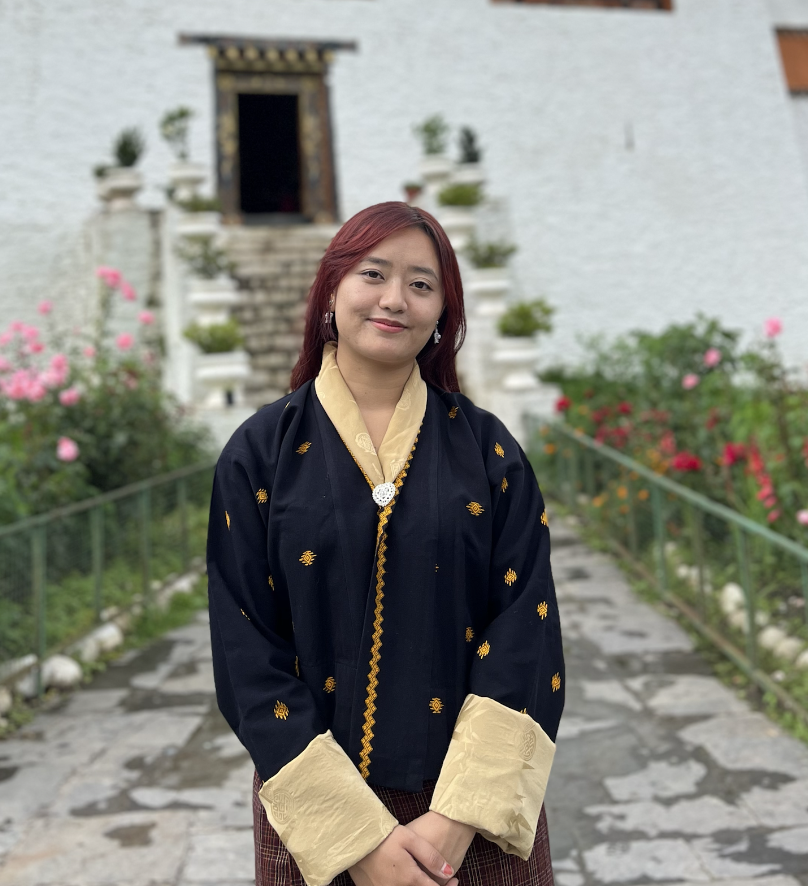
Sonam Yangkee Phurba, from Bhutan, has a multidisciplinary background in ecohydrology, environmental management, and sustainable development. She recently completed the Erasmus Mundus Master in Applied Ecohydrology. Sonam serves as the Partnerships Committee Coordinator of the Ecohydrology Youth Network (EHYN), where she leads partner engagement and supports international collaboration among young professionals. She has previously contributed to ecohydrology initiatives at UNESCO’s Division of Water Sciences (IHP-CDW) in Paris, first as an intern and later as a programme assistant. With experience spanning water governance, environmental education, and research, she aims to foster impactful partnerships and help advance ecohydrology as a tool for resilient and sustainable water management through her role in EHYN.
Marina Victoria Rios is an Argentinian PhD. researcher based in Germany.
She is an environmental engineer whose passion for rivers and Nature Based Solutions led her to pursue a Masters in Applied Ecohydrology. Her current work focuses on river systems and nitrate cycling. As the vice-coordinator of the Scientific Comitee, Marina aims to connect young scientists with Ecohydrology, promote knowledge-sharing, and advocate for Nature Based Solutions
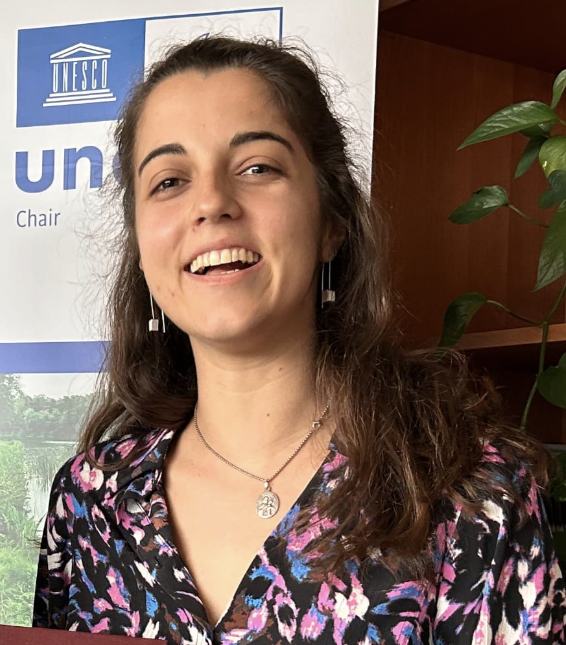

Antonio Fernández is an hydraulic engineer from Chile, passionate about applying ecohydrology to create healthier and more resilient landscapes. He has worked at the Quebrada Parque Ecohydrology Demonstration Site and has experience in territorial planning, Sustainable Urban Drainage Systems (SUDS), and nature-based solutions that enhance urban and watershed sustainability. Currently pursuing the Erasmus Mundus Master’s in Applied Ecohydrology (MAEH), Antonio is interested in how hydrological and ecological processes can guide more sustainable development in Latin America. As Regional Leader for Latin America and the Caribbean in the Ecohydrology Youth Network (EHYN), he aims to strengthen regional collaboration, empower youth involvement, and promote ecohydrological thinking in policy and planning across the region.
Ambneesh Mishra is an Environmental Scientist from India and an Erasmus Mundus master’s student in Applied Ecohydrology (MAEH). He serves as the Asia-Pacific Regional Leader and Co-Coordinator of the Communication Committee of the Ecohydrology Youth Network (EHYN), where he works to connect science with the communities that need it most, particularly at the grassroots level.Through his role in EHYN, he continually looks forward to building new international partnerships to strengthen regional knowledge exchange and expand ecohydrological initiatives to spread ecohydrological techniques and establish more demonstration sites across the Asia-Pacific, creating opportunities for hands-on learning.
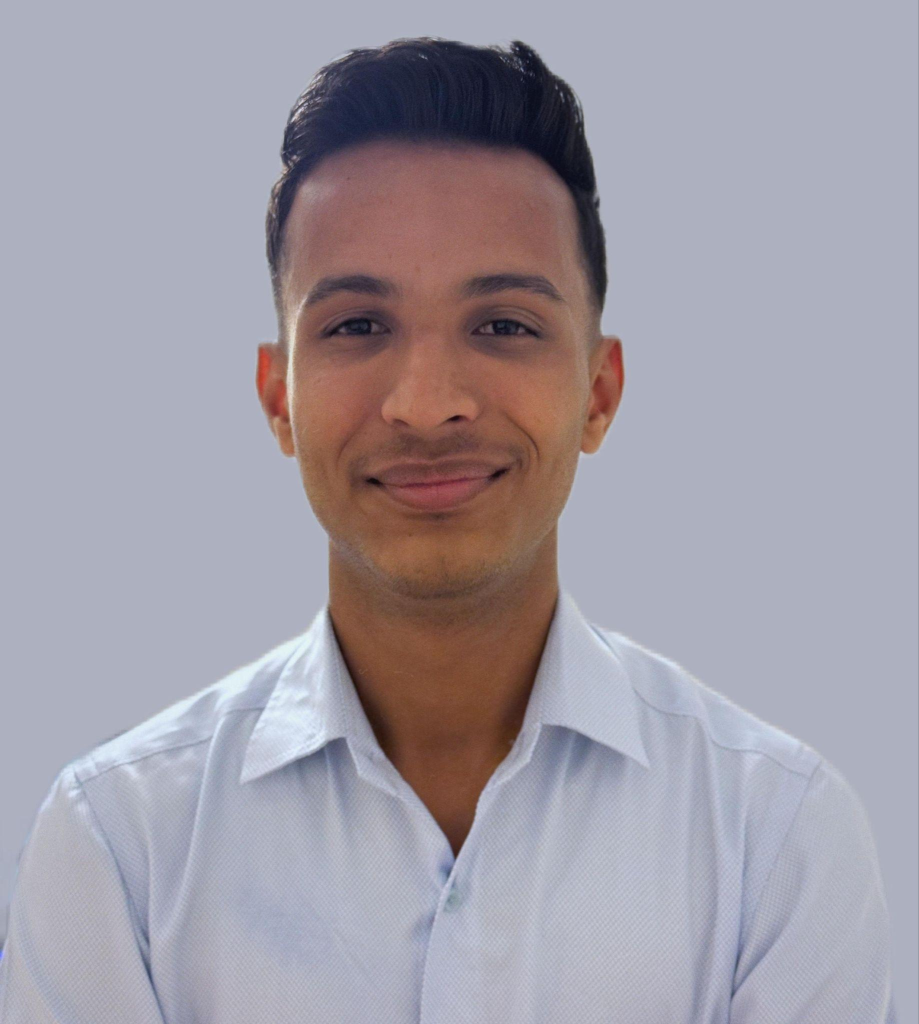
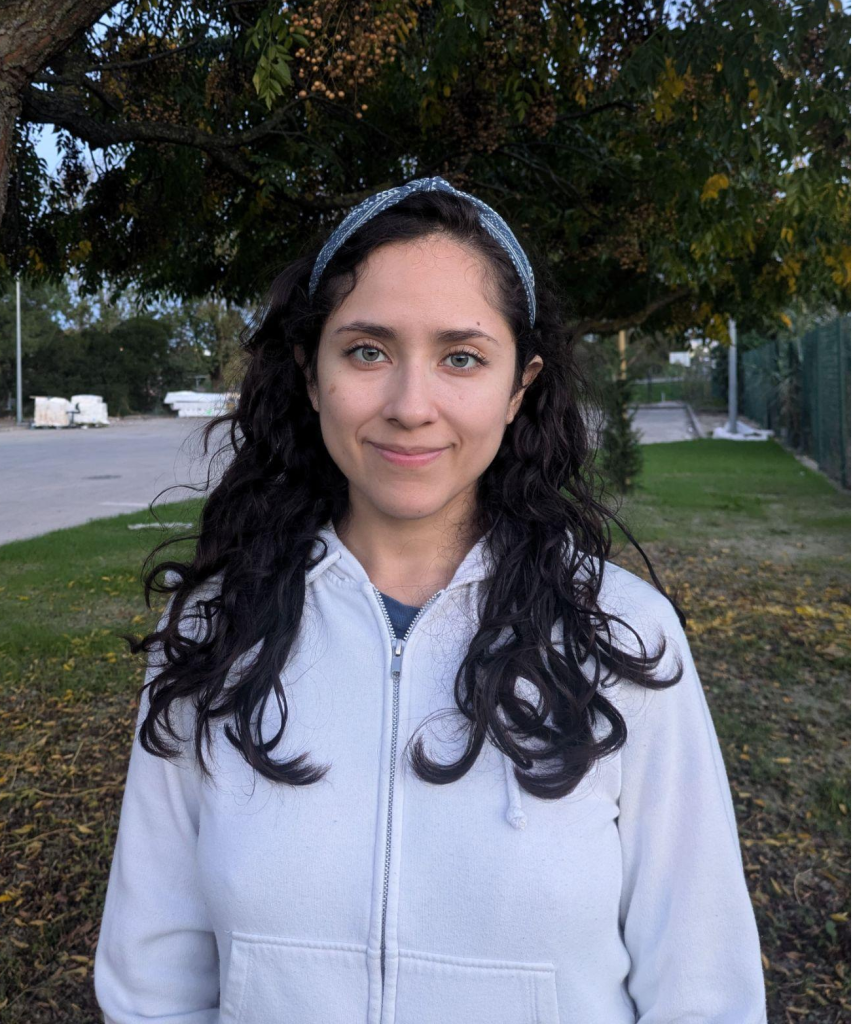
Damaris Rios comes from Bolivia and is currently pursuing a PhD in France. She holds a Bachelor’s degree in Environmental Engineering at the Universidad Católica Boliviana in Cochabamba, Bolivia. After graduating, she worked as an Environmental Technician at a non-governmental organization, where she was responsible for developing and sharing educational materials on water management and climate change issues with children and young people. She completed the Master’s in Applied Ecohydrology in 2024 and now serves as a Regional Vice – Leader for Latin America and the Caribbean in the Ecohydrology Youth Network (EHYN), where she expects to promote ecohydrology as an holistic science to enhance ecosystems on a sustainable way and improve people’s relationship with nature.
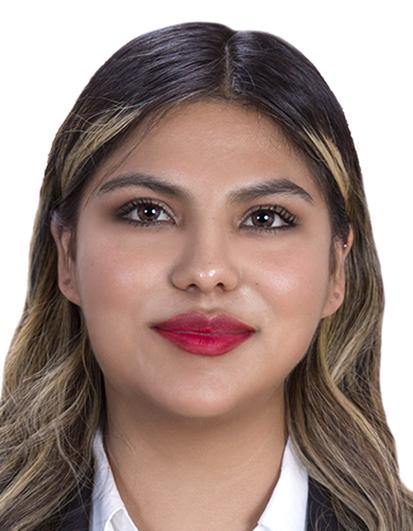
Karela Rojas is a Bolivian forest engineer with a Bachelor’s degree in Forest Engineering from the Universidad Autónoma Juan Misael Saracho. She is currently pursuing the Erasmus Mundus Master’s in Applied Ecohydrology (MAEH). Karela is strongly motivated by understanding how hydrological and ecological processes interact to inform more sustainable, resilient, and science-based watershed management.
She serves as the Vice-Coordinator of the Partnerships Committee of the Ecohydrology Youth Network (EHYN), where she supports collaboration among emerging professionals and promotes ecohydrological approaches as foundational tools for sustainable planning and integrated watershed governance.
Find us on social media:
Contact us:
p.jarosiewicz@erce.unesco.lodz.pl
How can I join?
Fill in this form and enjoy being a member of the EHYN